
Blog
Understanding the Psychological Triggers Behind Gambling Behavior

Understanding the Psychological Triggers Behind Gambling Behavior
The Allure of Gambling: An Overview
Gambling is a complex behavior driven by a variety of psychological triggers. At its core, it provides an exhilarating sense of thrill and uncertainty, appealing to our innate desire for risk and reward. Many individuals are drawn to gambling as a form of escapism, allowing them to break free from the monotony of daily life. This thrill-seeking behavior is often magnified in environments rich with sensory stimulation, such as colorful slot machines or lively casino atmospheres. To better understand this phenomenon, you can see details about various gaming strategies that enhance player engagement.
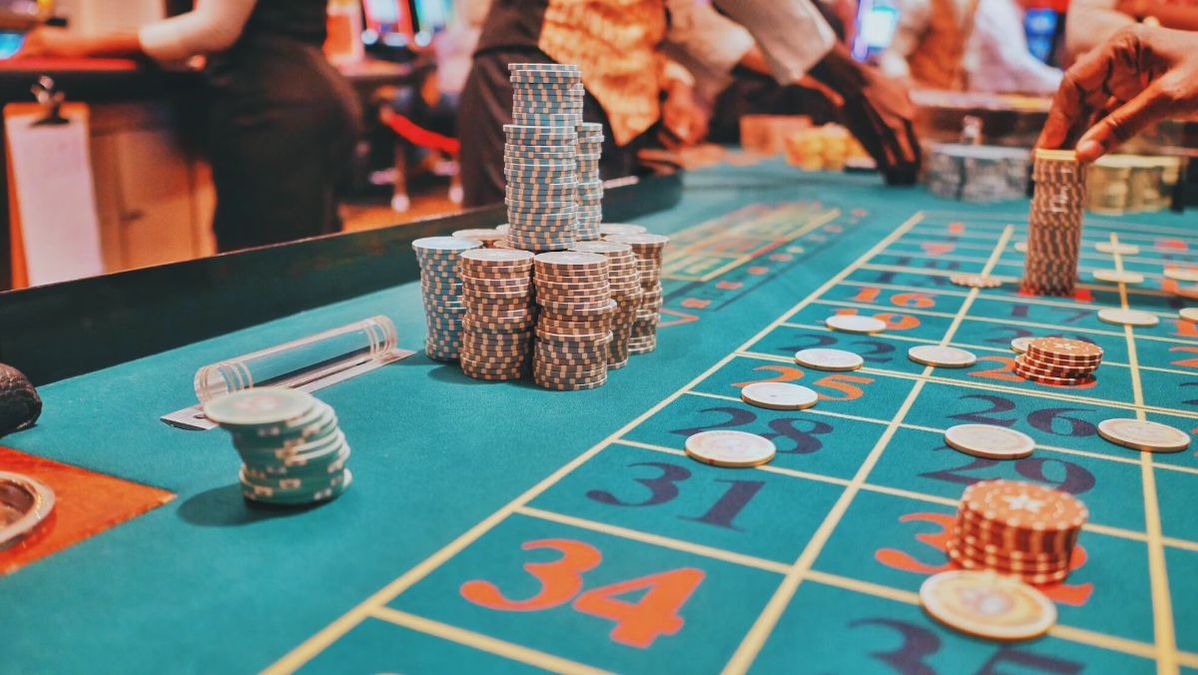
The excitement of potentially winning big creates a compelling narrative that captivates many. The anticipation associated with each roll of the dice or spin of the wheel plays a crucial role in keeping players engaged. This phenomenon can be linked to the psychological principle of variable reinforcement, where unpredictable rewards lead to increased motivation and repeated behavior. Players often find themselves chasing the high of a past win, reinforcing their gambling habits.
Cultural factors also significantly influence gambling behavior. Different cultures have distinct perspectives on gambling, ranging from celebration to stigmatization. In some societies, gambling is intertwined with social rituals and community bonding, while in others, it is viewed as a vice. These cultural norms can shape individual attitudes towards gambling, influencing whether people engage in it as a form of entertainment or view it with caution.
The Role of Cognitive Biases
Cognitive biases play a pivotal role in gambling behavior, often leading individuals to make irrational decisions. One of the most prevalent biases is the illusion of control, where players believe they can influence the outcome of a game of chance. For instance, a gambler might think that using a specific strategy or ritual will lead to a higher likelihood of winning. This belief can reinforce continued gambling, as individuals hold onto the false hope of success.
Another common cognitive bias is the gambler’s fallacy, the erroneous belief that past events affect future outcomes in random games. For example, if a player observes a series of losses, they may believe that a win is ‘due’ to happen soon. This fallacy can lead to increased betting and more significant losses as individuals chase their perceived winning streak. Understanding these biases is essential for recognizing the psychological triggers that fuel gambling behavior.
Moreover, the concept of loss aversion plays a critical role in gambling decisions. Research shows that losses weigh more heavily on individuals than equivalent gains. This psychological phenomenon can cause gamblers to continue playing in an attempt to recover lost funds, often leading to further financial loss. It reveals a compelling contradiction where the fear of losing drives people to gamble more, creating a cycle that can be difficult to break.
Emotional Connections and Gambling
Emotions significantly influence gambling behavior, with feelings of excitement, anxiety, and even depression often driving individuals to gamble. Many gamblers experience a rush of adrenaline and euphoria when they win, which can create a positive feedback loop reinforcing their gambling habits. This emotional high is often sought repeatedly, resulting in a continuous cycle of gambling for that fleeting moment of victory.
On the flip side, negative emotions such as stress or loneliness can also trigger gambling behavior. Many individuals turn to gambling as a coping mechanism, seeking distraction from their emotional pain. The environment of a casino, designed to evoke exhilaration, provides an escape for those struggling with personal challenges. Unfortunately, this form of escapism can escalate into problematic gambling, leading to addiction and financial difficulties.
Additionally, social connections can also amplify emotional triggers in gambling. Friends and family influence each other’s gambling behaviors, often normalizing the activity within social circles. Group dynamics can intensify emotional experiences, with individuals feeling compelled to join in on the fun. This can lead to a collective engagement in gambling, where group enthusiasm overshadows personal reservations about the risks involved.
The Impact of Environment on Gambling Behavior
The gambling environment plays a significant role in shaping behavior and decision-making. Casinos and gambling platforms are meticulously designed to maximize engagement, featuring bright lights, upbeat music, and enticing game layouts. This sensory overload creates an immersive experience that can easily draw in unsuspecting players. The design encourages prolonged visits, which can lead to higher spending and increased gambling behavior.
Online gambling platforms have taken environmental influences a step further by incorporating elements that mimic the casino experience. Features like live dealers, interactive gameplay, and social elements foster a sense of community, enhancing the emotional engagement of players. This convenience of access, combined with strategic game design, can lead to increased gambling activity, particularly among vulnerable populations.
Moreover, the psychological impact of marketing and promotions cannot be overlooked. Promotions and bonuses are often designed to lure players into spending more time and money. Limited-time offers create a sense of urgency, compelling individuals to gamble more than they initially planned. Recognizing these environmental factors is crucial for understanding how they contribute to gambling behavior and the potential for addiction.

Responsible Gambling and Resources
With the rise of gambling behavior and its psychological triggers, promoting responsible gambling practices is essential. Understanding the underlying motivations and cognitive biases can help individuals recognize when their gambling is becoming problematic. Setting limits on time and money spent on gambling can prevent harmful behaviors from escalating into addiction.
There are numerous resources available for those seeking help with gambling-related issues. Many organizations offer support groups, counseling, and educational programs aimed at raising awareness about the risks associated with gambling. These initiatives play a vital role in providing assistance to individuals struggling with their gambling habits, fostering a healthier relationship with gambling activities.
Fast Withdrawal Casino Canada is dedicated to promoting safe gambling practices. By providing comprehensive reviews and recommendations of online casinos, the platform emphasizes the importance of responsible gaming. Players are encouraged to find trustworthy sites that prioritize quick payouts and player protection, enhancing their overall gaming experience while advocating for responsible behaviors.